I Just Wanted One Mocktail Alone
If you survived one of the worst New York City winters in recent memory, then you probably understand why the second the temperature hit 80 degrees, everyone in Manhattan collectively lost their minds.
Suddenly, every café had a line out the door, and every girl in the West Village was wearing the unofficial uniform of a black tank top and blue denim jeans for a night out.
I do not live in the West Village, but I, too, was participating in the sacred tradition of tiny tops, jeans, and emotional delusion.
After a long week balancing graduate school, work, and life in general, I decided to spend an entire Saturday doing things for myself. I went to the dentist, got my hair done, visited the Metropolitan Museum of Art’s costume exhibit, and then stopped by the Fashion Institute of Technology museum to look at student fashion collections.
It was one of those perfect New York days that makes you feel like the main character of your own television show while everyone else becomes background casting.
And because I was having such a good day, I decided I wanted one final stop before heading home: a solo night out.
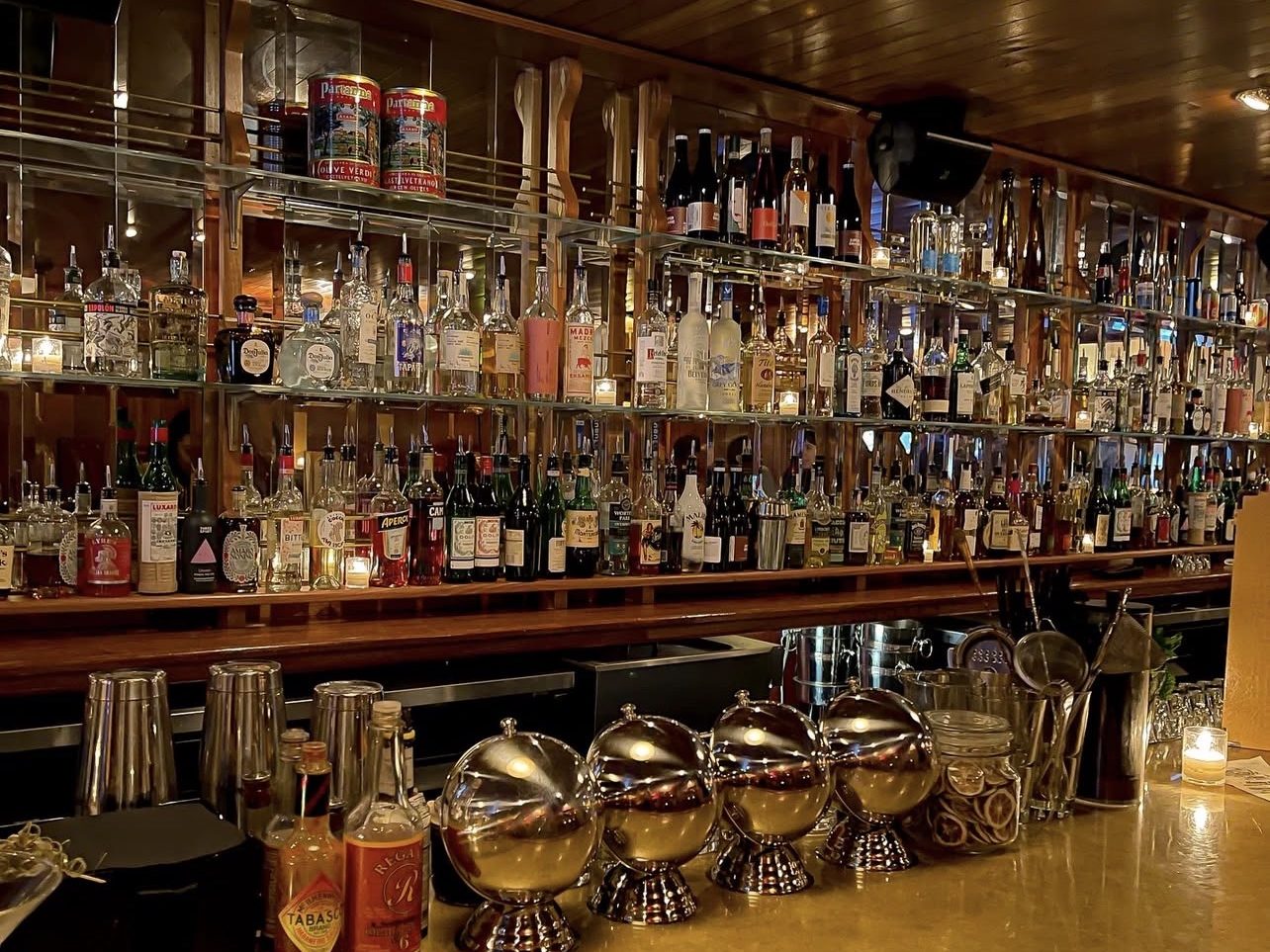
Now, contrary to popular belief, you do not actually need alcohol to enjoy bars. I do not drink or smoke, but I genuinely love bar environments. I like the music, and I like people-watching. I like overhearing fragments of conversations while pretending I am the mysterious female lead in some independent film nobody fully understands.
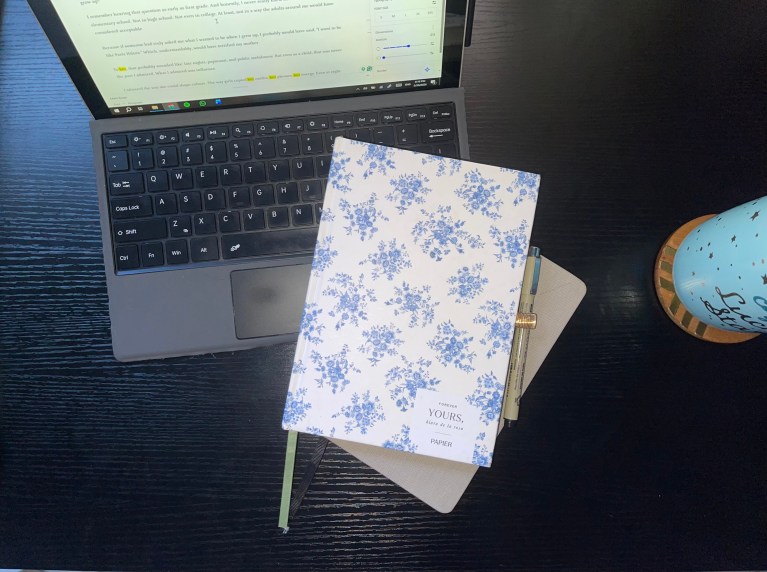
Some nights, I am in the mood to socialize. But usually, I sit with a mocktail, maybe my journal, and quietly exist amongst the noise. And that night, that was all I wanted.
However, that peace only lasted twenty minutes before I somehow became responsible for another human being. Looking back, that was probably the moment the night stopped being about a mocktail and started becoming a lesson in emotional labor.
The bar was packed. There were barely any seats available, so when a stool next to another girl finally opened up, I immediately took it. We started casually talking the way women in bars often do. A surface-level conversation here. Small details shared there. Nothing too personal.
Then she asked if I wanted to go bar hopping with her.
This is where I made my fatal mistake as a woman: instead of simply saying no, I tried to be nice. Because rarely women say: “No thank you, I actually want to be alone.”
Instead, we say one of the following:
- “Maybe later.”
- “We’ll see where the night goes.”
- “I might leave early,”
- “I’m not sure yet.”
Women tend to soften their noes. Or cushion them. Sometimes we backtrack in real time because we are terrified of sounding rude. A direct “no” can feel socially dangerous in a way that is difficult to explain. So instead, we offer alternatives, caveats, and escape hatches. We say maybe when we mean no. We say later when we mean never. We prioritize being perceived as kind over being clear.
I personally tried option two and option three from the list before somehow allowing my polite hesitation to translate into: “Sure. Let’s see where it goes.” Within maybe fifteen minutes of leaving the first bar, this girl went from tipsy to visibly intoxicated.
Slurred words. Swaying while standing. Holding on to my arm with a death grip while walking so she could keep her balance.
And just like that, my relaxing solo night out stopped being relaxing.
As much as I disliked how the night was unfolding, I also knew I could not just leave her. Because the second another woman starts looking unsafe around you, something in your brain chemically changes. You immediately enter crisis management mode.
Now, you are monitoring her. Making sure she gets somewhere safely. Watching the people around her. Calculating whether she needs water. Trying to determine if she can realistically get home alone. Because deep down, you know that if you were in the same position, you would want somebody watching out for you, too.
The hardest thing is that none of this came from resentment.
I was not angry at her. What I had realized that night had very little to do with alcohol and everything to do with responsibility. Just because I happened to be the sober person in the room did not mean I automatically wanted to become responsible for an intoxicated person, especially as someone who already spends most of her life caring for others.
I do it at work. I do it socially. I do it emotionally. And honestly, I do it instinctively as a woman. I am a girl’s girl through and through. However, I do have those moments where I selfishly want to think about myself.
I think a lot of women understand this feeling. We remember birthdays. We check that people got home safely. We notice when someone seems off. We absorb tension in a room before anyone says a word. Most of the time, we do it willingly. But now and then, you realize you’ve become responsible for everyone else’s experience while quietly neglecting your own.
That was the part that left me feeling strangely defeated when I got home. I was upset by the realization that sober people—especially women—so quickly become responsible for everyone around them. Even strangers. Especially strangers.
The uncomfortable part is that two things can be true at once: I wanted her to be safe, and I did not want to spend my night being responsible for another person. Helping her wasn’t the problem. The uncomfortable realization was how quickly my night stopped belonging to me.
And honestly, that was something that was weighing on my mind for the rest of the night.
Because if I had ignored her completely and something had happened to her, I would have felt horrible. I do not think most people are capable of simply shutting that instinct off.
The more I thought about it, the more I realized this was never really a story about bars. It was a story about responsibility and the unspoken emotional labor that exists on nights out.
Maybe part of every successful night out is knowing who everyone becomes by the end of the evening: the designated sober friend, the bathroom emotional-support therapist, the girl holding the other girl’s hair back, and the friend who makes sure nobody gets into the wrong Uber.
The problem is that women often slide into those roles without consciously choosing them.
The funny thing is that helping her was never what bothered me. I would probably do the same thing again tomorrow. What stayed with me was the realization that even in our attempts to escape, women often find themselves slipping back into caretaker mode before we’ve even noticed.
We spend so much time looking out for other people that we sometimes forget how exhausting it can become, even on nights that were originally supposed to be ours.
In the morning, all I could think about was what I had originally gone out for in the first place:
One mocktail alone.